Many high school students around the world have the most unique, whimsical, and talented creative skills that give them the ability to embrace their ideas and emotions. For instance, with Edgar Allan Poe’s poem, The Raven, which symbolizes grievance, mournfulness, and never-ending remembrance of his lost love, Lenore, and Starry Night, painted by Vincent Van Gogh, symbolizes the portrayal of hope and psychological ascensions or reflection of Van Gogh’s mental turmoil. It can often allow students and teachers to move beyond rote memorization to develop critical and rational thinking and interdisciplinary research.
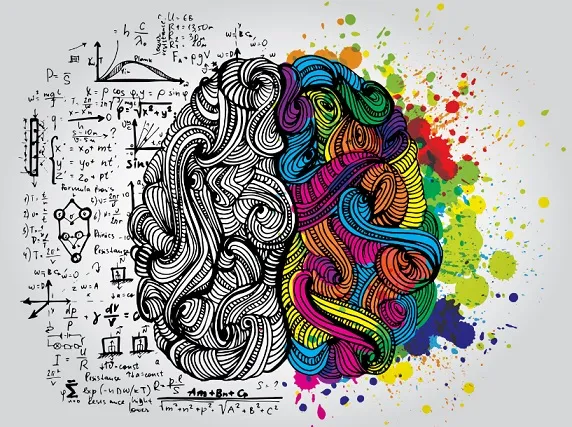
This can boost mental and emotional health (reassurance, stress, self-confidence), promote personal growth (identity, greater resilience, self-discovery, forging better relationships), and develop pivotal cognitive skills (problem solving, rational thinking). Observing the interests, taking responsibility for projects (like a diorama articulations, choosing an essay topic, or designing school visuals), balancing autonomy with ownership, and finding supportive communities (online groups, art clubs, etc). Preparing students and teachers for a complex future by encouraging alteration can bring mechanical memorization to activities, promote a culture of curiosity, develop adaptability in educational communities, and provide skill-based tuition. Creative freedom can also help students develop whimsical solutions and abstract ideas; it can even enhance neuroplasticity, which is a tremendous ability for your brain to reorganize itself by forming new neural connections throughout people’s lives, by letting it adapt, recover from injuries, learn, and change its functions in response to experiences, environment, and especially trauma or disease. It’s like the cranium has a rewiring system where nerve cells can adjust activities or compensate for any damage, which can enable new habits, skills, and improved cognitive abilities and fitness strategies.
Students increasing their creative capabilities can make high schoolers more adept at forming original, abstracted ideas, especially by exercising their rational thinking skills. Creativity is also a life skill that can help students unlock new approaches in their personal self-expression of inventiveness. Art is a way we express ourselves; however, self-expression can teach us that our phenomenal ideas, perspectives, and feelings matter. Presenting our ideas with our art to peers can build confidence and motivation. While this may be true for teenagers, it’s also true for adults to have it, too. A Sophomore student at New Way, Simon McAvity (Editor-In-Chief) of The Campus Courier team, quoted “If they’re not allowed to express themselves, they won’t be able to be interested in projects, but I also think that certain students at New Way will have no direction and will fall through. Artists never stop. They may face writer’s block and other such issues, but a true artist will, at some point, get the show back on the road, and that’s what makes art, art. It’s an undefinable part of the human spirit that can always continue in our personas.”
He makes a great point. If we can’t express ourselves with our art, then our emotions would be repressed, which could also lead to having difficulty processing life’s complications, emotional stagnation, where you feel occupied which is a sense of immobility, and lack growth, like, let’s say, you’re on a treadmill that is characterized by emotional flatness, low inspiration and motivation, repetitive thoughts, and disconnection; however, its a common signal for needed internal shifts, not necesarily a disorder. It can also be involved with being cooped up on replaying those same emotional patterns, and resisting growth. Artists will never stop doing what they are doing, it’s a part of them ever since they were born, it’s people’s history of progression, and how their minds articulate in their artistic methods their whole life.
A quote from Bill Moyers (American Journalist and political commentator, the 11th white house press secretary from 1965 to 1967 during the Lyndon B. Johnson Administration, and a de facto White House Chief of Staff for a brief period from 1964 to 1965), he said, “creativity is piercing the mundane to find the marvelous.” What he means is creativity has a way of piercing through our minds to make life more exciting and observantly appealing with our amazingly talented ideas, poetry, writing, sketches, fashion, etc., reflecting on our personas, articulated techniques, and bringing inspiration to others that makes them motivated to cook up a masterpiece.
Also tattoo art can be involved with creative freedom too, which gives tattoo artists to enhance the style’s that they are required to do for a tattoo, the subject matter or design they want, and an irregular idea of placements is a happy medium that’ll get them the best art, especially if you let them know they are willing to bend if something doesn’t work for them the way it did in their head. Some of you may be curious about what individual creative freedom can do to affect our minds, acting as a catalyst for personal healing (decreasing stress and anxiety, promoting a purpose for their creative skills) and societal growth (operating innovation, enhancing diverse understanding, challenging norms, and building a community) by authorizing individuals and improving collective cultural evolution. Some people say that individual creative freedom can conflict with the well-being of others or with our society, while others believe it doesn’t.
Another Sophomore student at New Way, Hannah Zaks, who is talented and clever, she said, “Creative freedom does not conflict with others or the well-being, because you shouldn’t have to stop being who you are people don’t like being critised for being themselves it isn’t harming anybody else, and it’s who you are individually, you don’t have to change yourself for anybody else, there’s a lot of things your personality who you are doesn’t anybody unless it’s harmful in its own.” She also added, “A lot of people start being creative at birth, that’s just their personality, how they grow up, who they are, it depends on their environment too. I grew up creative, as I’ve always been creative, and a lot of people go on with that throughout life, but sometimes you will repress it because of criticisms that just makes feel bad about themselves becuase if somebody doesn’t like their art and they get criticized for that makes them not want to show their art anymore or be creative because all the criticism that they’ve throughout their time being creative.” What she is trying to say is you should never change who you are for your creative skills; without creativity, life would just be a boring thing to live through. People with a creative well-being will never stop for what they love, it’s their purpose, their whole routine, their iconic characteristic, and it makes them happy and low-key.
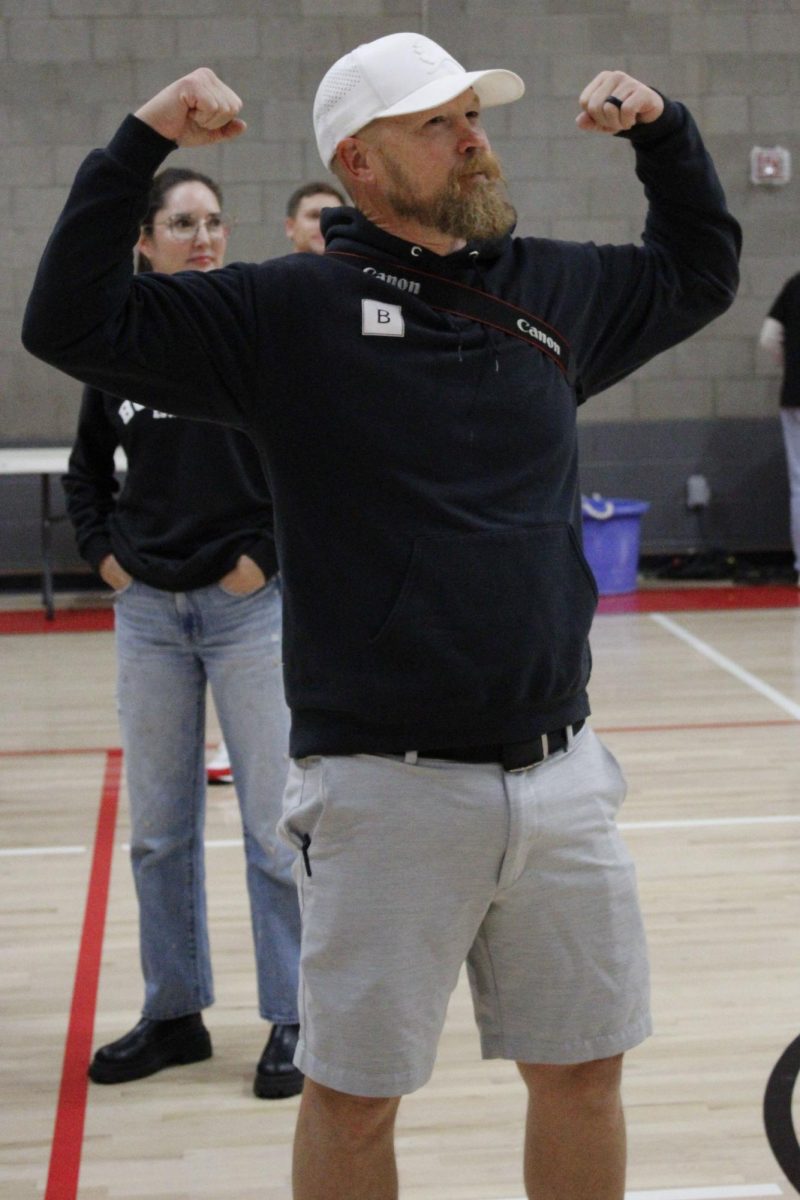
Photographer and digital media teacher, Nathen Brodie said “Creative freedom makes our society better, my brain went to architecture and there’s so many different ways to design a building and Frank Lloyd Wright designed so many cool buildings here in Arizona and he did it in a very unique way and that doesn’t infringe upon the way our schools designed it doesn’t infring upon a way you know other buildings are. I take photos, and I want my students in the community. It’s better we just approach things differently, and that’s how the world works. I think it’s great. Creative freedom means having a choice of what you articulate; creative freedom means students are going to have a little bit more power in the way that they see education. I think if they’re always told. There’s a time for this, but I think if they’re always told this is what you need to create, it keeps them in a box, and then they don’t get to be outside of the box and see what it looks like or explore things you know, try us something new, and then maybe not do so well at it. Still, then they can go back to the drawing board, redesign something, whether it’s drawing or Photoshop, whatever it might be. It could be better the next time, I think that’s exactly what creative freedom is, it’s trying something, learning about it, and improving on it. When your problem-solving from art problem-solving for education thinking back to the time when something wasn’t the way you wanted it to be, but working hard to make it where it is and it’s not an apple to apple meaning where yes art can now make your life that much better but I do think you know because your brain processes are going through all these things there’s definitely a way that it can help you improve your life in general.” It can be concluded that people with diverse creative freedom can really change people’s lives and support their well-being, and it’s important to cherish what you have done and what you have made. People should never stop at what they’re doing with their art; it’s amazing, phenomenal, and whimsical, and it’s what makes people charismatic and talented. If people can’t embrace their art, then they could be really missing out on a wonderful opportunity to enhance and visualize the world around them.
Sources: https://docs.google.com, https://docs.google.com, https://docs.google.com, https://www.google.com, https://www.google.com