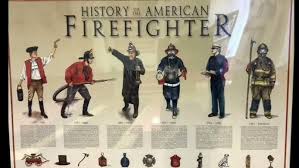
The origin of firefighting in the Un
ited States started with the first ever fire that took place on us soil in 1608, when the colony was barely a year old in the early days of firefighting in the United States there was not the fire station that most of you know today it was volunteers and private companies that were the ones responding to fire calls and handling the duty of fighter fighters insurance companies were the ones who handled funding most firefighters or volunteer groups by paying for their equipment which would evolve to modern equipment. The tools they had to fight fires in the early days included leather buckets, hooks, swabs, ladders, and archaic pumps. Jumping into the 1680s, laws changed, and firefighters became less popular as new laws required shop owners to own a water bucket with their name on it for the purpose of fighting fires without the recourse of using a fire department.
For example, a baker by law was required to have 3 buckets, but a brewer was required to have 6 buckets. Those laws lasted until 1736, when a very influential man in American history named Benjamin Franklin thought that the system was inefficient and very concerning for a large-scale fire to break out. He was the one who established the concept of full-on public fire companies that were to serve the public, with him advocating for one; the city of Philadelphia agreed, and the first-ever fire station in the US was born.
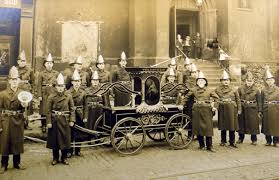
About 93 years later, in 1829, the first fire engine was formed in the United Kingdom quickly made its way to the US allowing for the invention of fire trucks, though those didn’t exist until the 1900s despite the good firefighters a few years later faced uncertainty in 1841 as insurance companies stop funding them because they were very expensive to operate and not profitable. 11 years after insurance companies stopped funding firefighting departments in 1852, the biggest breakthrough for firefighting in the modern era happened when the fire alarm was introduced, allowing firefighters to know where the fire was by heading in the direction of the alarm sound. This drastically reduced the amount of time it took for firefighters to arrive at a burning building, helping save more lives.
20 years earlier, firefighters used horses to transport engines due to a massive shortage of carriages caused by yellow fever, which was estimated to take out 1 in every 8 firefighters during this time. This relates to the Great Fire of Chicago, which occurred in 1871. This fire destroyed half the city and was one of the major causes for massive building improvement, causing massive fixtures such as brick and stone replacing roof in Chicago. This soon became more common, but that didn’t take place for a while. This has led to the modern day, where firefighters now use firefighting trucks, and with modern technology, firefighting has become safer and more efficient.
https://www.americanheritage.com/great-calling-firefighting
https://www.iaff.org/history/
https://www.windsorfire.com/a-brief-history-of-firefighting/